
How to Design, Develop, and Manufacture a Bag
To us, a bag is never just a bag. What is the meaning and influence behind the design? What is the solution it provides? How is it carried? We think deep when we concept a new bag, and we never include a feature that doesn’t serve a purpose when we create it.
At the heart of the SENHANBAGS Convertible Briefcase is the specific design principles it was created upon. From the outset, our intention was to create a carry solution that focused on versatility and simplicity—two elements that seem to contradict one another, yet the we achieved it.
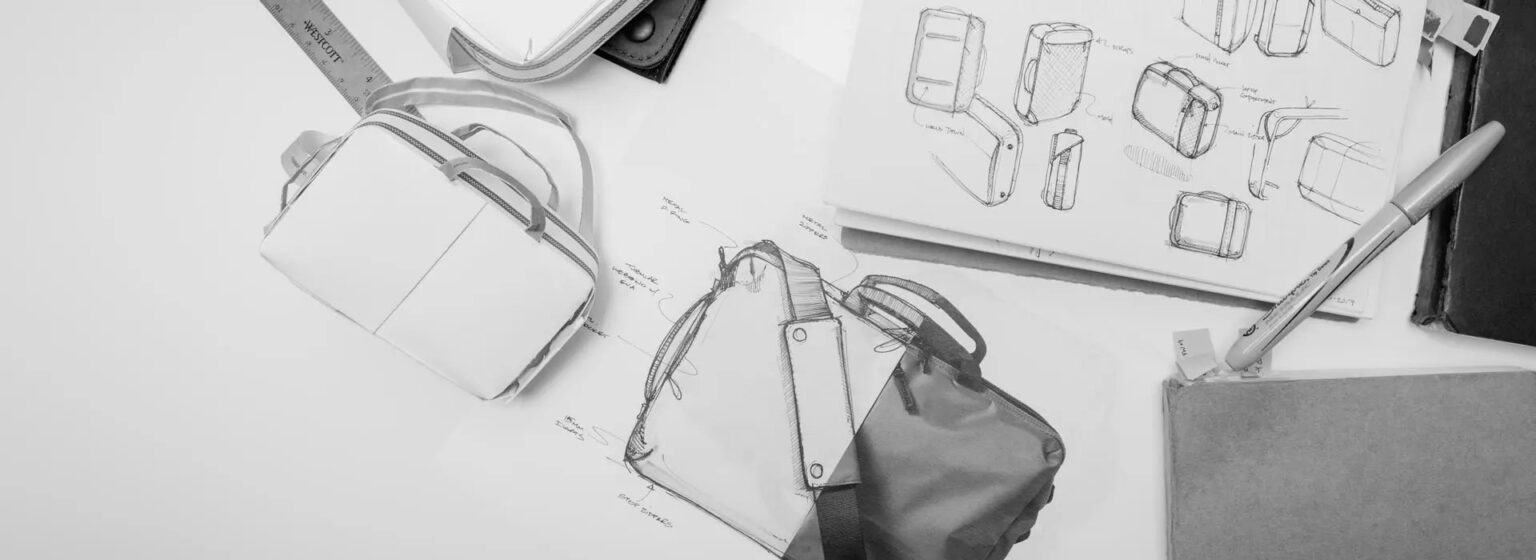
Here’s how we made it a reality:
Design.
Since the moment we began concepting the SENHANBAGS Convertible Briefcase, we focused on versatility. The modern city commuter sees a variety of types of transportation and environments throughout the day. Having a bag that can easily make those transitions with them would make a world of difference every day.
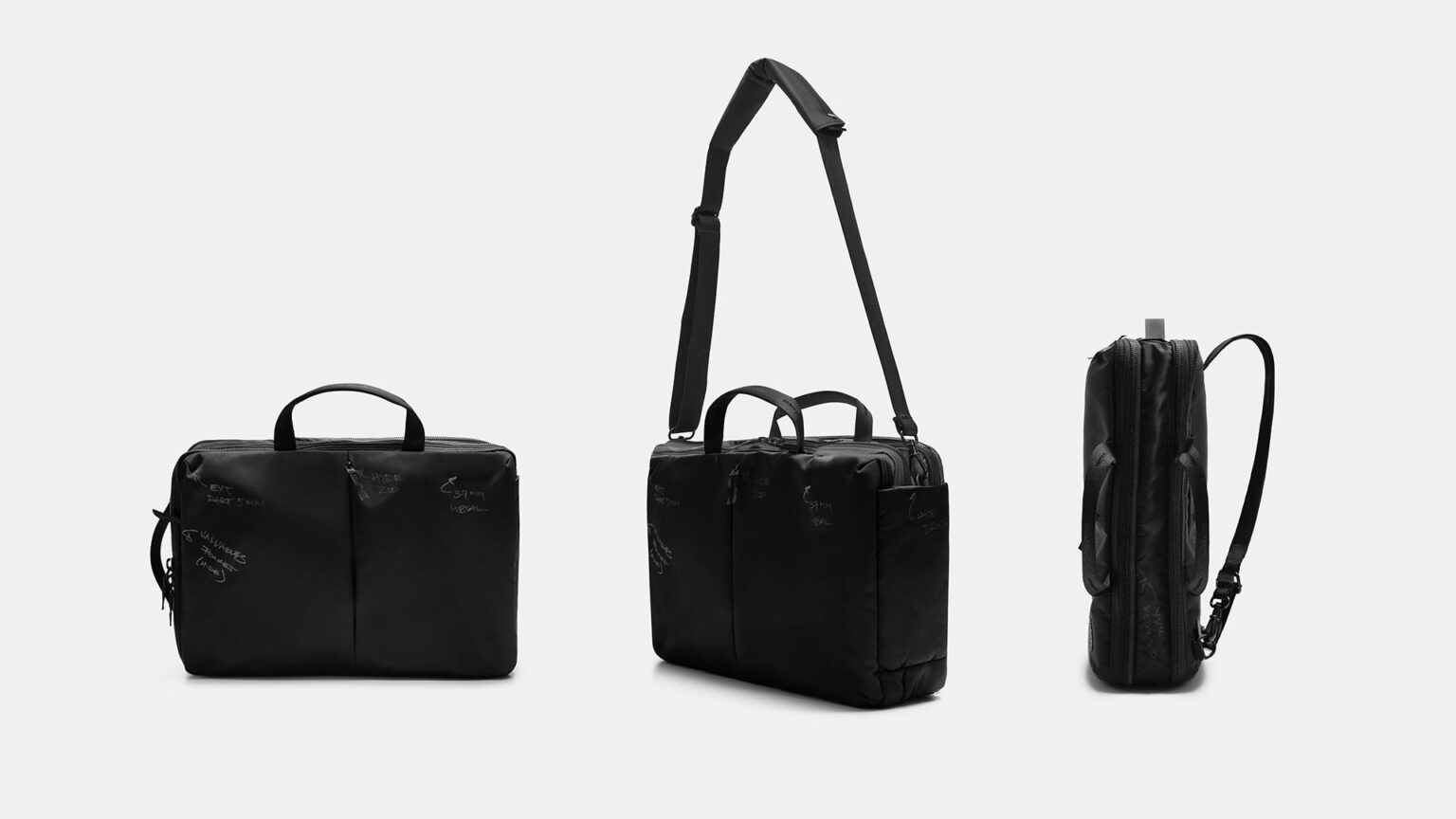
The three carrying options we landed on with the provide the sophistication of a brief for the office, while the shoulder and backpack options are perfect for navigating the city.
Develop.
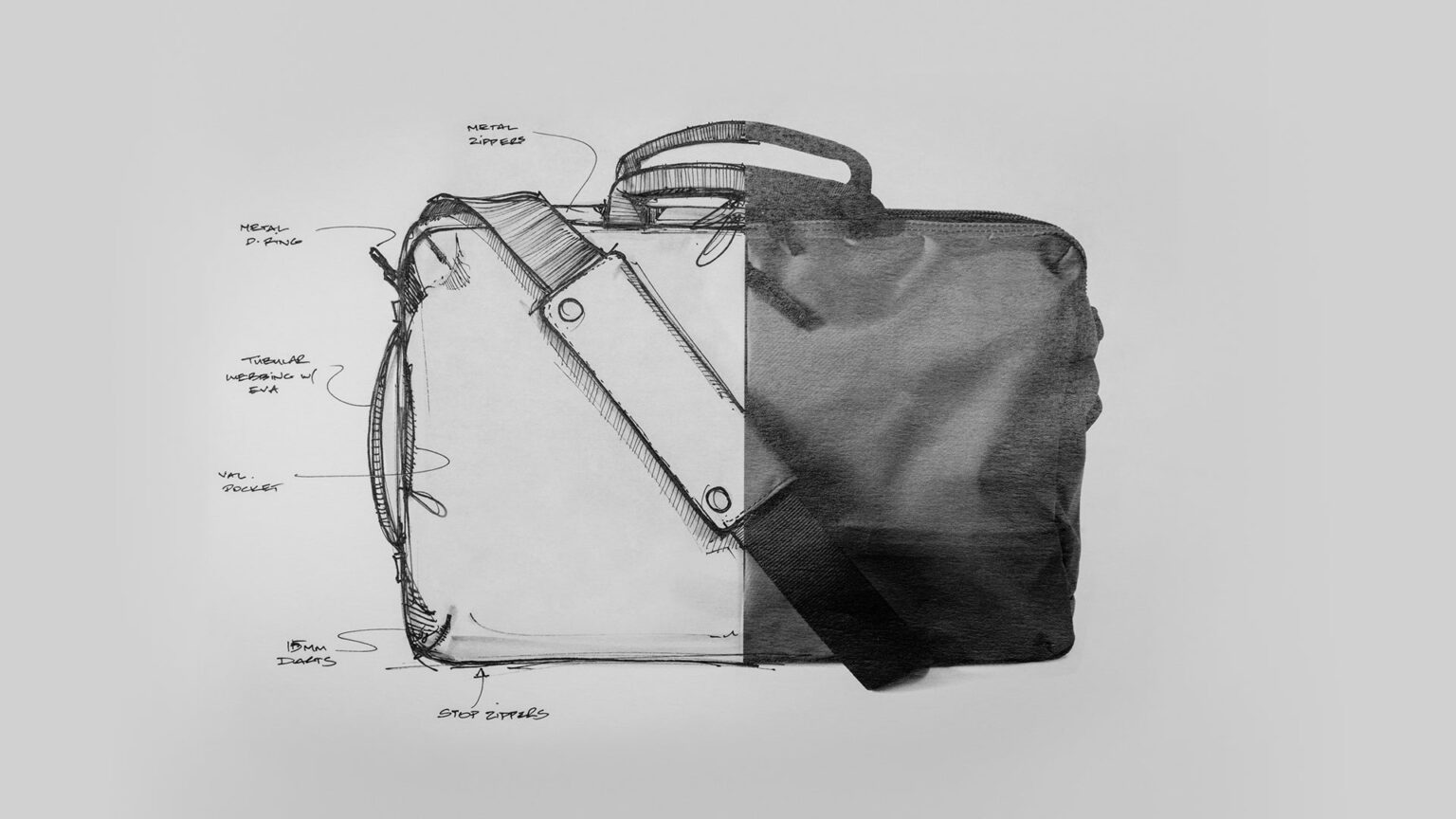
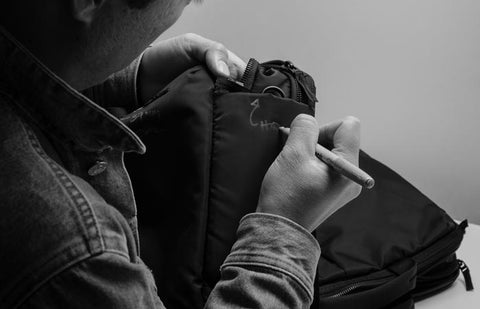
A sketch on paper is only the beginning. We need to understand its dimensions, structure, compartments, materials, and construction before we can make it real.
We discover these things by developing samples.
Our development process usually moves through several stages—design, pattern making, material selection, sample making, testing, and revision. We work with the details until the physical sample begins to match the original idea.
Pattern making is an especially important part of this stage. The shape of every panel, the position of each seam, and the amount of material used can affect the final structure of the bag.
The first production pieces begin to come together, and something that existed only as a drawing or sample starts to look like a real bag.
Manufacture.
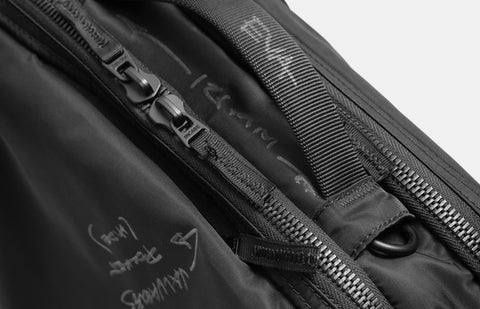
A design may look simple on paper, but manufacturing teaches us that every detail has consequences. Stitching needs to be consistent. Panels need to align correctly. Hardware needs to be securely attached. The construction needs to be strong enough for everyday use.
We pay attention to these details throughout production because consistency matters when a product moves from one sample to hundreds or thousands of finished pieces.
A bag should not only look right in the first sample.
It needs to remain right throughout production.
Once the design has been refined and production begins, quality becomes part of every stage.
We check incoming materials before they enter production. During manufacturing, we pay attention to construction, stitching, dimensions, hardware, and other key details. Before shipment, finished bags undergo final inspection to make sure they meet the approved requirements.
Epilogue.
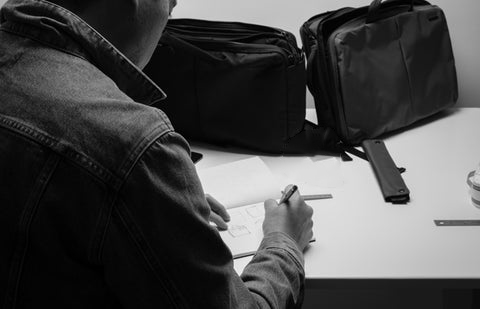
From the first concept and pattern to sampling, testing, manufacturing, and final inspection, we keep returning to the same idea: every part of the bag should have a purpose.
That is how we approach bag development at SENHANBAGS.
Not simply by making a bag, but by understanding the idea behind it, developing the details, and working through the process until the finished product feels right.
For us, designing and making a bag is ultimately a process of turning questions into decisions.
Have a Bag Idea of Your Own?
Make your bag design a reality and build your brand at SENHANBAGS.
CONTACT US
Mail us at villychen@senhan88.com