
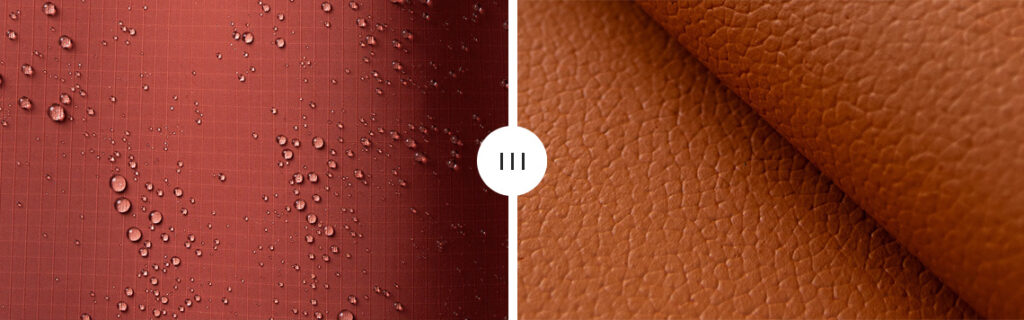
Choosing the right material is one of the most important decisions in bag manufacture. The material
afects much more than the appearance of a bag. It infuences durability, weight, structure, hand feel, functionality, production cost, branding, and sustainability.
For brands and designers, selecting a material is often a balance between product performance and
commercial requirements. A premium leather briefcase, a lightweight travel backpack, a durable work bag, and a cooler bag all require very diferent material solutions.
At SENHANBAGS, we work with a wide range of fabrics, leather, organic cotton, plant-based / bio-based leather, ripstop fabric,coated fabric, recycled & sustainable materials for custom bags, backpacks, luggage, and accessories. Through years of manufacturing experience, we have learned that the best material is not necessarily the most expensive one. The right material is the one that matches the product’s intended use, design, target market, performance requirements, and budget.
In this guide, we explain the most commonly used bag materials, compare their key characteristics, and share how we evaluate and prepare materials for custom bag manufacturing.
How to Choose the Right Material for Your Bag
There is no single material that is suitable for every type of bag. Material selection should begin with the product’s purpose and continue through performance, appearance, cost, and production requirements.
Consider the Intended Use
The intended use of a bag is usually the starting point for material selection.
A backpack designed for commuting may need a lightweight and abrasion-resistant outer fabric, while a premium business briefcase may require leather with a refned surface and structured construction. A
travel bag may require a combination of durable fabric, reinforced webbing, and water-resistant
treatments, while a cosmetic bag may prioritize easy cleaning and a smooth interior lining.
We usually consider the application frst:
• Backpacks
• Travel bags
• Laptop bags
• Tote bags
• Cosmetic bags
• Cooler bags
• Shoulder bags
• Waist bags
Starting with the intended use helps narrow the available material options before development begins.
Evaluate Durability and Performance
A good-looking fabric is not automatically a good manufacturing material.
For commercial products, we consider factors such as abrasion resistance, tear strength, tensile performance, colorfastness, water resistance, thickness, fexibility, and overall durability.
These characteristics can be especially important for products that experience frequent use or heavy
loading. Backpack shoulder straps, luggage panels, travel bags, and work bags may all require materials with diferent levels of strength and reinforcement.
We also consider how the material behaves during manufacturing. A fabric may perform well in general use but still create challenges during cutting, sewing, edge fnishing, or assembly. Consistent material
performance helps us maintain quality throughout production.
Consider Weight and Structure
Weight can have a signifcant impact on user experience.
For backpacks and travel bags, lightweight materials can help reduce the overall weight of the fnished product. At the same time, a very soft material may not provide enough structure for certain designs.
The fnal result often depends on the combination of materials rather than the outer fabric alone. We may use:
• Outer fabric
• Foam padding
• Interlining
• Reinforcement fabric
• Structured panels
• Mesh
• Backing materials
The right combination allows us to create a bag that is both comfortable and structurally stable.
Consider Appearance and Brand Positioning
Material is also a major part of a brand’s visual identity.
Nylon and technical polyester often create a functional or modern look. Canvas can provide a more
natural and casual aesthetic. Leather can give a premium and classic appearance, while PU can provide a leather-like fnish with a broader range of textures and price points.
When developing custom bags, we look at more than the basic fabric type. We also consider:
• Surface texture
• Gloss level
• Matte or coated finish
• Thickness
• Grain
• Color
• Hand feel
• Pattern and weave
• Edge appearance
These details can have a significant effect on the perceived quality of the final product.
Consider Cost and MOQ
Material selection also needs to fit the commercial requirements of the project.
The cost of a material can vary according to its fber composition, construction, weight, coating, fnishing,color, certifcation, supplier, and order quantity. Custom colors or specialty fnishes may also afect
minimum order quantities and development costs.
For this reason, we do not recommend choosing materials based on fabric price alone.
Our goal is to help brands find a practical balance between quality, product positioning, and target cost
Consider Sustainability
Sustainability has become an important consideration in modern bag development.
Depending on the project, brands may choose recycled polyester, recycled nylon, RPET, organic cotton,recycled cotton, or selected bio-based and plant-based materials.
We also consider certifcations and supply-chain requirements when applicable. For example, certifed materials may be relevant for projects with specifc sustainability or traceability objectives.
However, sustainability is not simply about selecting a material with a green label. The complete product should also be considered, including durability, expected lifespan, repairability, packaging,
manufacturing efciency, and sourcing transparency.
Common Materials Used in Bag Manufacturing
Diferent materials ofer diferent combinations of strength, fexibility, appearance, cost, and
sustainability. Below are some of the materials we commonly work with in bag manufacturing.
Nylon
Nylon is one of the most widely used materials for backpacks, travel bags, outdoor products, and performance-oriented bags.
Its popularity comes from its combination of strength, lightweight construction, and abrasion resistance.Depending on the fabric construction and specifcation, nylon can be used for lightweight products as
well as more demanding applications.
Common specifcations can include diferent denier constructions such as 210D, 420D, 500D, 600D, and 1000D.
A higher denier does not automatically mean a better fabric for every application. The best option depends on the required strength, weight, weave, coating, and fnished construction.
We often consider nylon when a brand needs a bag that feels lightweight while maintaining good durability and a technical appearance.
Polyester
Polyester is another major material used throughout the bag industry.
It is versatile, widely available, and often provides a practical balance between durability and cost.Polyester fabrics can be produced in many diferent weights, constructions, textures, and fnishes.
Polyester is commonly used for:
• Backpacks
• Tote bags
• Travel bags
• Cosmetic bags
• Laptop bags
• Lifestyle bags
Recycled polyester is also increasingly used in projects where brands want to incorporate recycled content into their products.
Canvas
Canvas is valued for its substantial feel, durability, and natural appearance.
Traditional cotton canvas is often associated with tote bags, lifestyle products, casual backpacks, work bags, and dufel bags. Polyester and blended canvas constructions are also available when diferent
performance characteristics are required.
Canvas may be selected when a product needs:
• A textured surface
• A natural appearance
• A structured hand feel
• A casual or heritage aesthetic
• Good durability
Waxed or treated canvas can provide additional surface characteristics for selected applications.
Cotton
Cotton remains an important option for brands looking for a natural textile appearance.
Compared with many synthetic fabrics, cotton can provide a softer hand feel and a more natural visual character. It can also be used in lightweight products and reusable bags.
Common options include:
• Conventional cotton
• Organic cotton
• Recycled cotton
• Cotton blends
Organic cotton may be particularly relevant to brands with specifc sustainability requirements. Material certifcation and supply-chain documentation should be reviewed according to the needs of the project.
Leather
Leather is widely used for premium and luxury-oriented products, including briefcases, business bags,
handbags, wallets, and selected travel products.
Different leather constructions provide very different visual and performance characteristics.
Common categories include:
• Full-grain leather
• Top-grain leather
• Split leather
• Corrected-grain leather
The final appearance depends not only on the leather type but also on thickness, grain, finishing, dyeing,
When developing leather bags, we pay close attention to the consistency of the leather, cutting yield,thickness, edge treatment, stitching performance, and fnished appearance.
Vegan Leather
Vegan leather is a broad category rather than one single material.
Many vegan leather materials are polyurethane-based, while newer alternatives may incorporate bio-based or plant-derived components.
When discussing vegan leather, it is important to understand the actual material composition rather than assuming that all vegan leather is plant-based.
Depending on the product requirements, we can evaluate options according to:
• Appearance
• Flexibility
• Thickness
• Surface durability
• Cost
• Material composition
• Sustainability objectives
Recycled Fabrics
Recycled fabrics are increasingly used across the bag industry.
Popular options include recycled polyester, RPET, and recycled nylon. These materials allow brands to incorporate recycled content while maintaining the functional characteristics required for many bag
applications.
Recycled fabrics can be suitable for:
• Backpacks
• Travel bags
• Tote bags
• Outdoor bags
• Lifestyle products
• Promotional products
For projects with certifcation requirements, we can help evaluate suitable certifed material options based on the brand’s sourcing needs.
Performance and Specialty Materials
Some bag designs require more than a standard woven fabric. Functional products may need water resistance, cushioning, insulation, fexibility, or additional protection.
Waterproof and Water-Resistant Fabrics
Water resistance can be achieved through different material structures and treatments.
Depending on the application, options may include coated fabrics, laminated fabrics, TPU constructions,PU coatings, PVC-related materials, or water-resistant zippers.
It is important to distinguish between water-resistant and fully waterproof construction. The fnal performance depends on the complete bag system, including seams, closures, zippers, stitching,coatings, and construction details.
For products exposed to moisture, we evaluate the entire design rather than relying on the outer fabric alone.
Insulation Materials
Insulated bags and cooler bags require internal materials that help reduce heat transfer.
Common materials can include:
• EPE foam
• PE foam
• EVA
• Aluminum insulation film
• PEVA
• TPU
The fnal thermal performance depends on more than insulation thickness. The material combination,density, bag structure, liner, zipper construction, and usage conditions all matter.
For insulated products, we consider the intended temperature range and application when selecting internal materials.
Mesh
Mesh fabrics are useful when ventilation, visibility, stretch, or reduced weight is important.
Common mesh options include nylon mesh, polyester mesh, and spacer mesh.
They are often used for:
• Backpack pockets
• Sports bags
• Ventilation panels
• Bottle holders
• Shoe compartments
• Interior organizers
Mesh can also add visual contrast and functional details without significantly increasing weight.
Neoprene
Neoprene is known for its soft, padded, and flexible characteristics.
It can be used in products such as laptop sleeves, protective cases, bottle holders, and selected fashion or lifestyle bags.
The material can provide cushioning and comfort while creating a distinctive appearance.
Bag Material Comparison
The following comparison provides a general overview of common materials. Actual performance can vary signifcantly according to fabric construction, weight, coating, weave, fnishing, and supplier
specifcation.
| Material: | Durability: | Weight: | Cost: | Appearance: | Common Applications: |
| Nylon | High | Light | Medium | Technical / Modern | Backpacks, Travel Bags |
| Polyester | High | Light– Medium | Low– Medium | Versatile | Backpacks, Tote Bags |
| Canvas | High | Medium– Heavy | Medium | Natural / Casual | Totes, Duffle Bags |
| Cotton | Medium | Medium | Medium | Natural / Soft | Tote Bags, Lifestyle Bags |
| Leather | Very High | Medium– Heavy | High | Premium | Briefcases, HandBags |
| Recycled Polyester (rPET) | High | Light–Medium | Medium | Versatile | Backpacks, Travel Bags |
| Plant-Based / Bio-Based Leather | Medium–High | Medium | Medium–High | Leather-Like / Natural | Fashion Bags, Handbags |
| Ripstop Fabric | High | Light–Medium | Medium | Technical / Textured | Backpacks, Outdoor Bags, Travel Bags |
These categories should be treated as general guidance rather than absolute rankings. The same material family can behave diferently depending on thickness, weave, coating, fnishing, and construction.
Best Materials for Different Types of Bags
Material selection becomes much easier when we start from the specific product category.
Best Materials for Backpacks
Backpacks often require a balance of durability, weight, structure, and comfort.
Common material choices include:
• Nylon
• Polyester
• RPET
• Canvas
• Recycled nylon
For functional backpacks, we may combine a durable outer fabric with foam padding, mesh panels,
reinforced webbing, and structured components.
Best Materials for Travel Bags
Travel bags need to withstand frequent handling and transportation.
Nylon, polyester, canvas, and selected coated fabrics can all be suitable depending on the product’s
positioning.
The most suitable option will depend on the target weight, abrasion requirements, expected load, and
desired appearance.
Best Materials for Tote Bags
Tote bags can be made from many different materials.
Cotton, canvas, recycled cotton, polyester, recycled polyester, and leather are all commonly used.
For lifestyle and reusable products, natural or recycled materials can help communicate a particular
brand identity.
Best Materials for Laptop Bags
Laptop bags often require cushioning, structure, and abrasion resistance.
Common combinations include nylon or polyester outer fabrics with foam padding, soft lining materials,and reinforced handles or shoulder straps.
The material package should protect the device without making the finished bag unnecessarily heavy
Best Materials for Cosmetic Bags
Cosmetic bags often need easy-to-clean surfaces and suitable interior protection.
Polyester, nylon, PU, PVC-related constructions, PEVA, and TPU can all be considered depending on the
application.
Water-resistant or wipe-clean linings may be especially useful for products carrying cosmetics and
liquids.
Best Materials for Cooler Bags
Cooler and insulated bags require a combination of outer fabric, insulation, and functional lining.
Common materials include polyester, nylon, EPE, EVA, PEVA, and aluminum insulation layers.
The entire construction needs to be considered because insulation performance depends on the
complete system.
How Materials Are Selected and Prepared for Bag Manufacturing
Material selection is not a single step. It is part of the product development process.
At SENHANBAGS, we typically approach material development through several stages.
Material Sourcing
We frst review the product requirements, design, target price, order quantity, performance expectations,and sustainability goals.
Based on these requirements, suitable fabric and component options can be sourced for evaluation.
Material Evaluation
We assess the physical characteristics of the material, including:
• Weight
• Thickness
• Hand feel
• Surface finish
• Flexibility
• Color
• Construction
• General durability
Where applicable, specific performance requirements can also be reviewed.
Color Matching
Custom bag development often requires colors that align with the brand identity.
We can work with approved color references and evaluate suitable fabric options for color development and production consistency.
Sample Development
Selected materials are incorporated into prototypes and samples.
This is an important stage because a material that appears suitable on a swatch may perform diferently once it is cut, folded, stitched, padded, or assembled into a complete bag.
Bulk Material Preparation
After sample approval, materials for bulk production are prepared according to the confrmed
specifcations.
Material consistency becomes especially important at this stage because diferences in color, thickness,fnish, or texture can afect the appearance of the fnal production.
Manufacturing and Quality Control
During manufacturing, material performance is monitored through cutting, sewing, assembly, fnishing,and fnal inspection.
Our quality control approach is designed to identify potential issues as early as possible rather than
waiting until the fnished product.
Why the Most Expensive Material Is Not Always the Best Choice
One of the most common misconceptions in product development is that a higher material price
automatically means a better product.
In reality, the best material depends on the application.
A premium full-grain leather may be the right choice for a luxury business briefcase, but it would not necessarily be the most practical material for a lightweight travel backpack.
Likewise, an extremely heavy fabric may provide excellent durability but add unnecessary weight to a daily commuter bag.
For us, successful material selection means finding the right balance of:
Performance + Appearance + Function + Cost + Brand Positioning
This is where manufacturing experience becomes valuable. Instead of simply ofering a list of materials,we can evaluate how the material will work within the complete product design.
Sustainable Materials for Bag Manufacturing
Sustainable materials are becoming increasingly important for brands developing new bag collections.
Depending on the project, available options may include:
Recycled Polyester
Recycled polyester is commonly used in backpacks, travel bags, tote bags, and lifestyle products.
It allows brands to incorporate recycled content while maintaining the versatility of polyester fabric.
RPET
RPET is recycled polyethylene terephthalate, commonly associated with recycled polyester fibers.
It is widely used in textile applications where recycled content is an important part of the product
specifcation.
Recycled Nylon
Recycled nylon can be considered for applications where nylon performance is preferred while recycled content is required.
Organic Cotton
Organic cotton can support brands seeking a more natural textile option.
It is commonly considered for tote bags, lifestyle products, reusable bags, and selected fashion
applications.
Recycled Cotton
Recycled cotton can be used where brands want to incorporate recycled textile content while
maintaining a natural fabric appearance.
Vegan and Plant-Based Leather Alternatives
Alternative leather materials continue to evolve.
Depending on the intended application, brands may evaluate PU-based vegan leather, bio-based
materials, and plant-based alternatives.
The important point is to understand the actual composition and manufacturing characteristics of each material rather than treating all alternatives as identical.
Certified Materials
Some brands require materials supported by recognized certification systems.
Depending on project requirements, certifcation may be relevant for areas such as organic content,recycled content, fair-trade sourcing, or broader supply-chain management.
At SENHANBAGS, we can discuss suitable material options according to the specifc sustainability and sourcing goals of each project.
Bag Materials FAQ
What Is the Best Material for Making Bags?
There is no single best material for all bags. Nylon, polyester, canvas, leather, PU, recycled fabrics, and other materials can all be suitable depending on the product’s function, appearance, durability, target cost, and sustainability requirements.
What Is the Most Durable Material for Bags?
Leather, high-performance nylon, heavy-duty polyester, and certain reinforced fabrics can provide high
durability. However, actual performance depends on material construction, thickness, fnishing, and how the bag is designed and manufactured.
Is Nylon Better Than Polyester for Bags?
Neither is universally better. Nylon can ofer excellent strength-to-weight performance and abrasion resistance, while polyester can provide versatility, durability, and cost efciency. The better choice
depends on the intended application.
Is Canvas Good for Making Bags?
Yes. Canvas is a popular option for tote bags, backpacks, dufel bags, and lifestyle products. It is especially suitable when a durable and natural-looking material is desired.
What Is the Difference Between Nylon and Polyester?
Nylon and polyester are both synthetic fbers used extensively in bag manufacturing. Their diferences include characteristics such as strength, abrasion behavior, hand feel, color performance, and cost.
Fabric construction and fnishing can also signifcantly afect the fnal result.
What Is the Best Material for Backpacks?
Nylon, polyester, recycled polyester, recycled nylon, and canvas are all common choices for backpacks.The ideal option depends on whether the priority is lightweight performance, durability, sustainability,appearance, or cost.
What Materials Are Commonly Used for Luggage?
Soft luggage commonly uses polyester, nylon, coated fabrics, and reinforced textile constructions. Hard luggage may use materials such as ABS or polycarbonate. The choice depends on luggage type, weight requirements, durability, and design.
What Is RPET Fabric?
RPET fabric is produced using recycled PET-based material, which is commonly converted into recycled polyester fbers and then woven or knitted into textile fabrics.
Is Recycled Polyester Durable Enough for Bags?
Yes. Recycled polyester can be used in many bag applications, including backpacks, travel bags, tote bags, and lifestyle products. The actual performance depends on the specifc fabric construction and specifcation.
What Is the Difference Between PU and Leather?
Leather is made from animal hide, while PU is a polyurethane-based synthetic material. PU can provide a leather-like appearance with diferent textures, colors, and price points. Leather ofers its own natural
grain, aging characteristics, and performance properties.
What Is Vegan Leather Made From?
Vegan leather can be made from diferent materials. Many commercial vegan leathers are polyurethane-based, while newer alternatives may incorporate bio-based or plant-derived components. The exact
composition should always be checked with the material supplier.
Can You Source Custom Bag Materials?
Yes. As a full-service bag manufacturer, we can help evaluate and source suitable fabrics, leather,
synthetic materials, linings, webbing, hardware, and specialty components according to the product requirements.
Can You Develop Custom Colors and Materials?
Custom colors can be developed according to approved references and production requirements.Material selection and color matching are typically completed during the development and sample approval stage before bulk production.
Can You Provide Sustainable or Certified Materials?
We can evaluate suitable sustainable and certifed material options based on the specifc requirements of the product and project, including recycled and organic materials and relevant certifcation needs.
Need Help Choosing the Right Bag Material?
Choosing the right material can be challenging when you need to balance durability, appearance,
functionality, cost, and sustainability at the same time.
At SENHANBAGS, we support brands and designers from material sourcing and sample development
through manufacturing and quality control. We work with a wide range of fabrics, linings, leather,
synthetic materials, hardware, and specialty components for custom bags, backpacks, luggage, and
accessories.
Share your design concept, product specifcations, target material, reference sample, or target price with our team. We can help evaluate suitable material options for development and production.